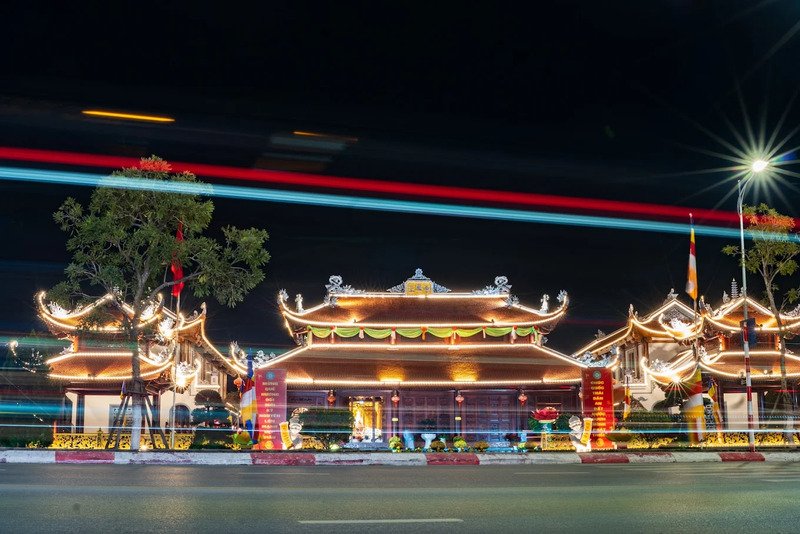
A pagoda in Lạng Sơn lit up at night, with light trails from passing traffic

The people of the frontier

Culture & History of Lạng Sơn

Following the Kỳ Cùng

The river that flows north

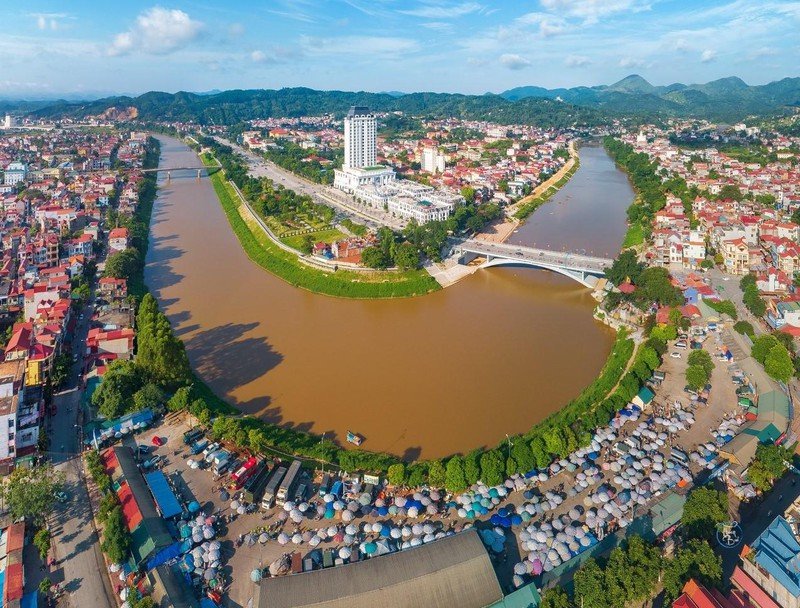
Most of Vietnam's rivers run south and east to the sea. The Kỳ Cùng goes the other way: north through Lạng Sơn city and on across the border into China. For centuries its valley has carried traders, pilgrims and armies, and the story of the province is best told by following it.

The people

Kind people everywhere

Kindness in Lạng Sơn is not put on for visitors; it is simply how people live. Stop at a stilt house and you are likely to be offered tea, a cup of home-made corn wine and a seat by the fire. Ask for directions and someone will walk you there, and a lost traveller rarely stays lost for long.

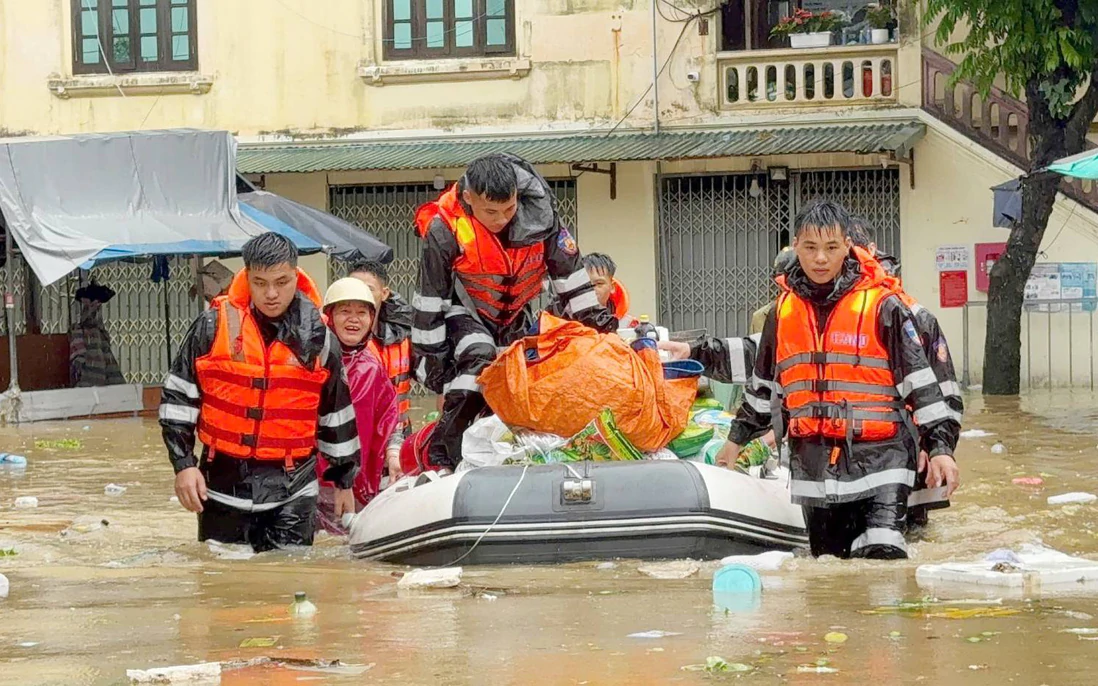
It shows most in hard times. When floodwaters rose through the city, rescue teams, soldiers and neighbours waded in together, carrying the elderly, children and food to safety by boat, street by street.

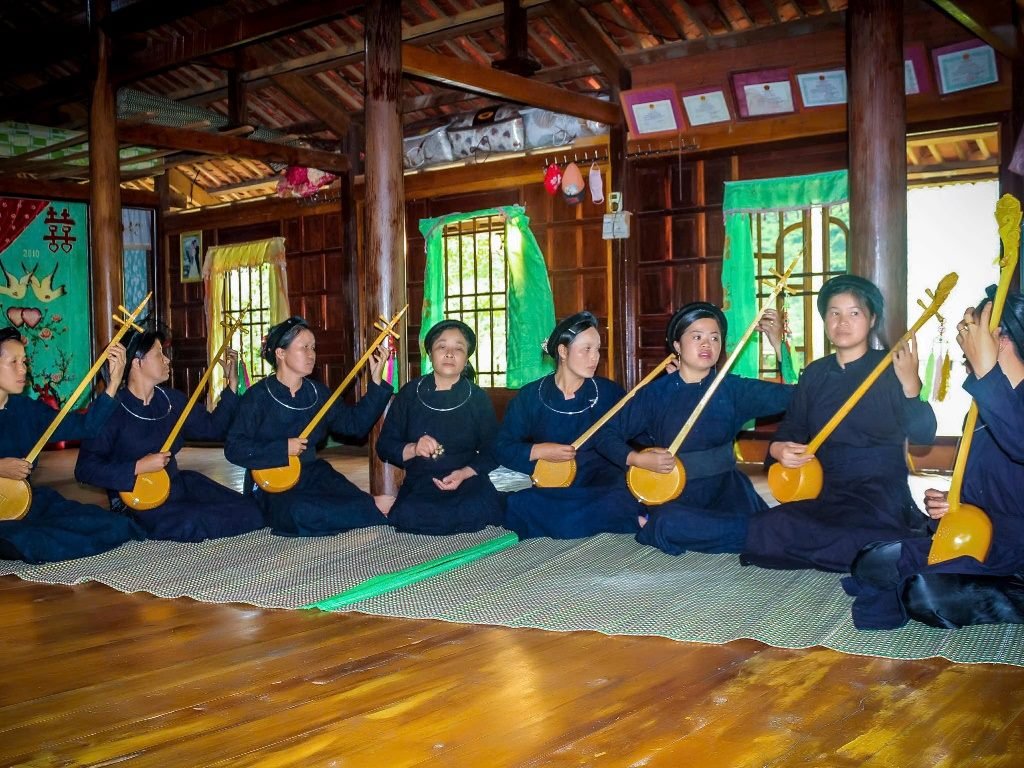
Music carries the same warmth. Then rituals, sung to the gourd-bodied đàn tính lute, were recognised by UNESCO in 2019, and the call-and-response songs of Nùng sli and Tày lượn still fill the hills at festival time.

Faith

Faith on the frontier

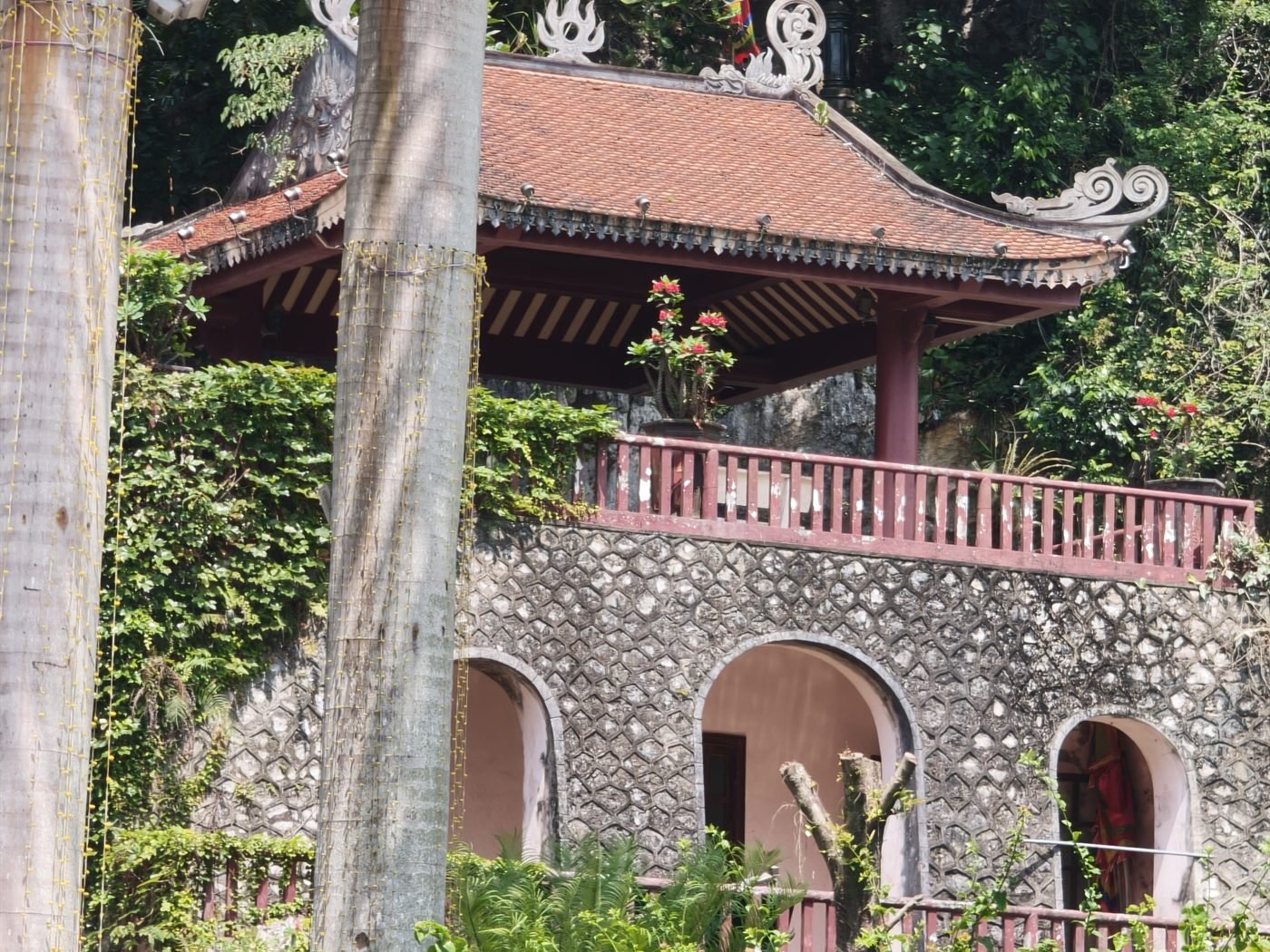
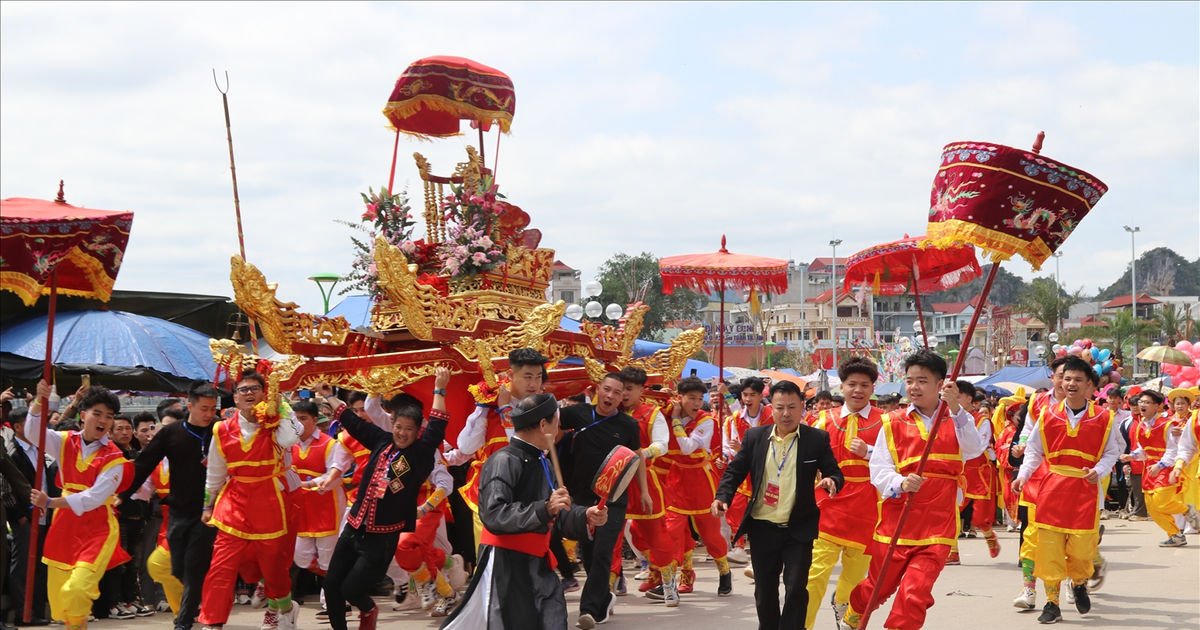
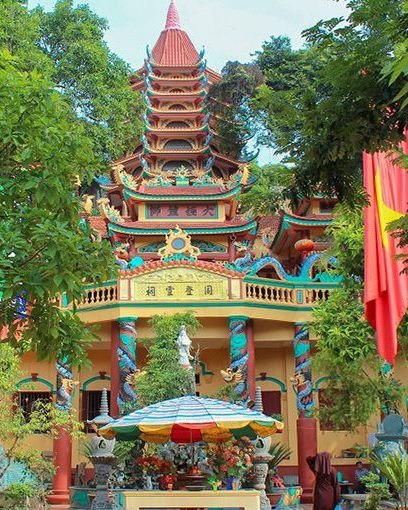
Spirituality here is woven into daily life. Buddhist pagodas are built into limestone caves in the heart of the city, Mother Goddess temples at Đồng Đăng and Bắc Lệ draw pilgrims from across the north, and ancestor altars glow in almost every home. In the weeks after Tết the province becomes a calendar of festivals, when whole communities gather to pray for luck, health and a good year of trade.
A province of many peoples

Seven peoples, one province

Around 85% of Lạng Sơn's population belongs to ethnic minority communities. Seven main groups share its valleys and mountains, each with its own language, dress, songs and festivals.

  • Nùng

    The largest group, known for indigo-dyed dress, sli singing and terraced farming on the hillsides.

  • Tày

    Valley people of stilt-house villages, keepers of Then rituals and the đàn tính lute.

  • Kinh

    Vietnam's majority people, living mostly in Lạng Sơn city and the towns, where trade has drawn them for centuries.

  • Dao

    Mountain communities around Mẫu Sơn, known for fine embroidery, herbal medicine and home-distilled wine.

  • Hoa

    Families of Chinese origin, long part of the trading life of the border towns and markets.

  • Sán Chay

    Small hill communities with their own language, songs and festival traditions.

  • H'Mông

    The smallest of the seven, living in a handful of high mountain hamlets.

Hoa, Sán Chay, H'Mông and other groups together make up about 1.4% of the population.

A thousand years at the gate

The province that held the line

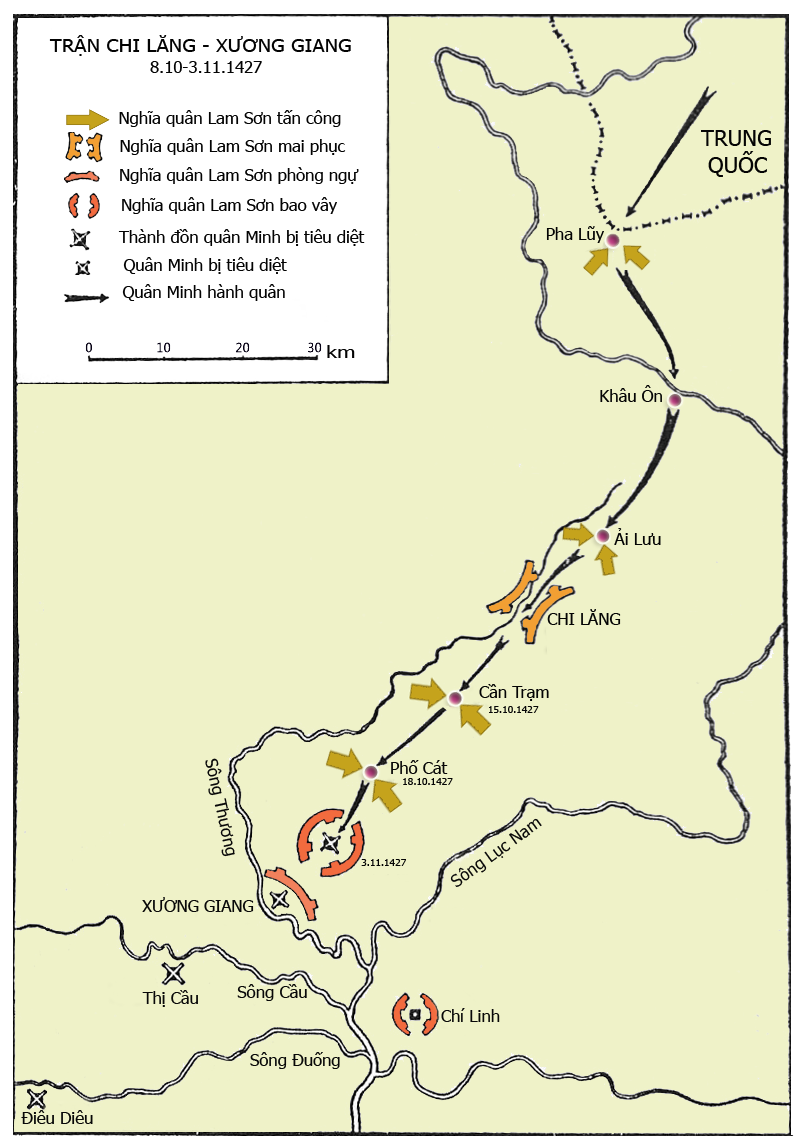
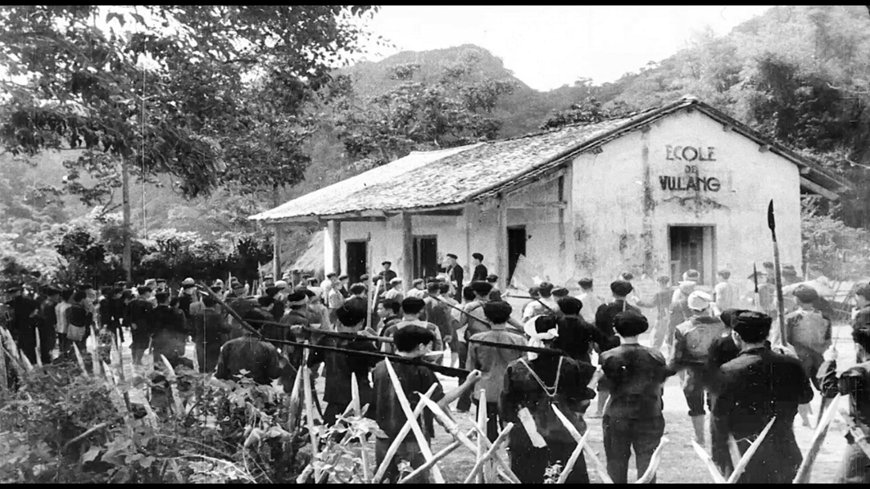
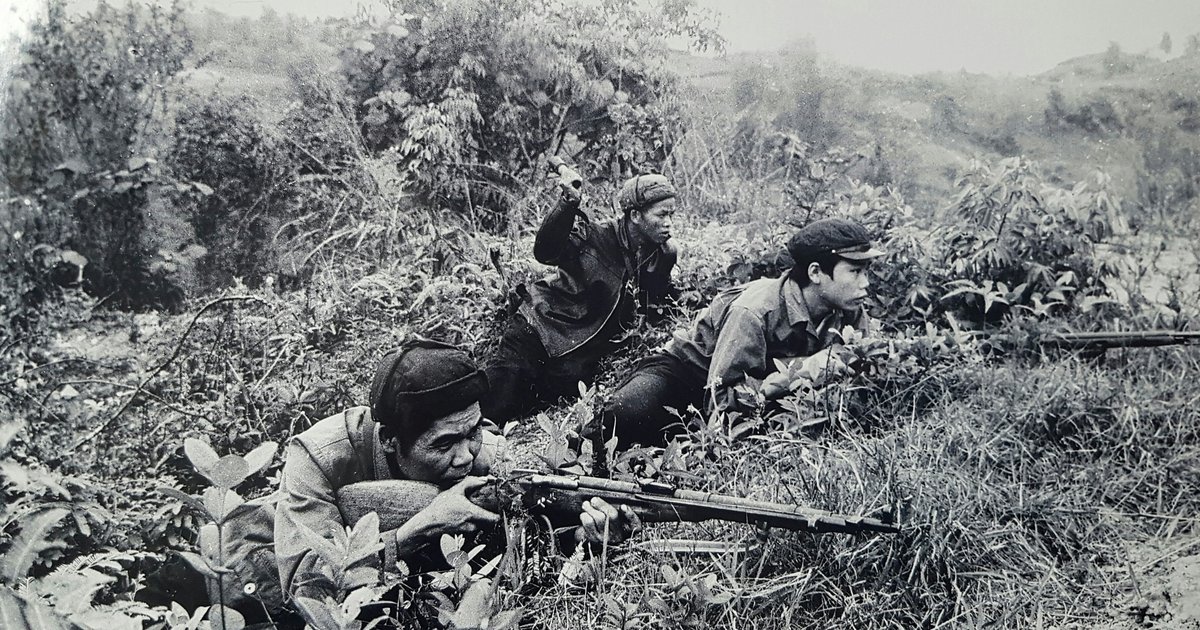
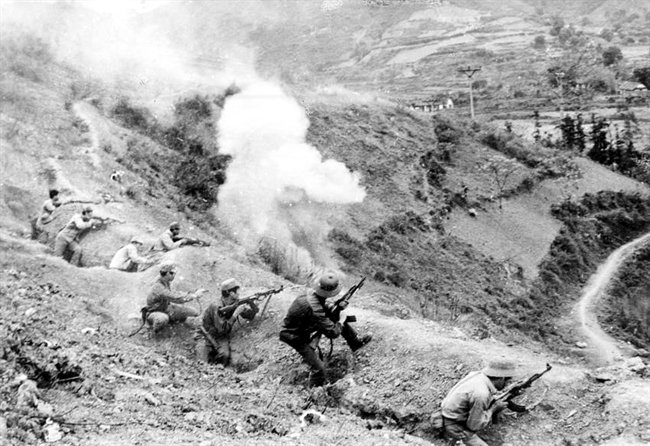
Lạng Sơn sits on the main road between Vietnam and China. Again and again, invasions from the north have come through its passes, and again and again its people have stood in the way.

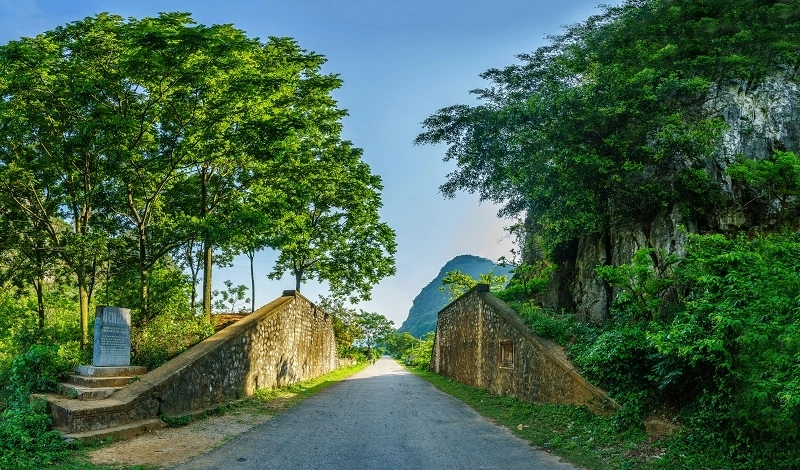
The Chi Lăng pass relic site

981

Chi Lăng

Lê Hoàn's army ambushes the Song invasion in the narrow Chi Lăng pass, the first of many battles fought between its limestone walls.

Upcoming Events and Festivals

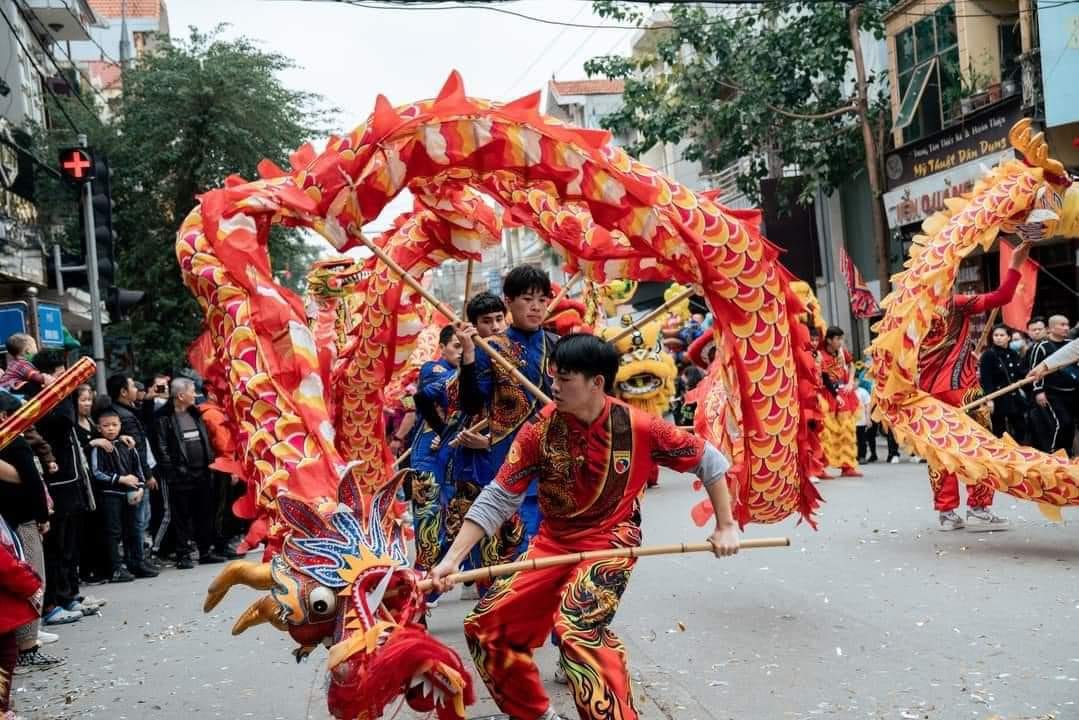
  • Dragon dance at the Kỳ Cùng – Tả Phủ Festival

    22nd – 27th of the 1st lunar month

    Kỳ Cùng – Tả Phủ Festival

  • Đồng Đăng Mother Goddess Temple

    10th of the 1st lunar month

    Đồng Đăng Mother Goddess Festival

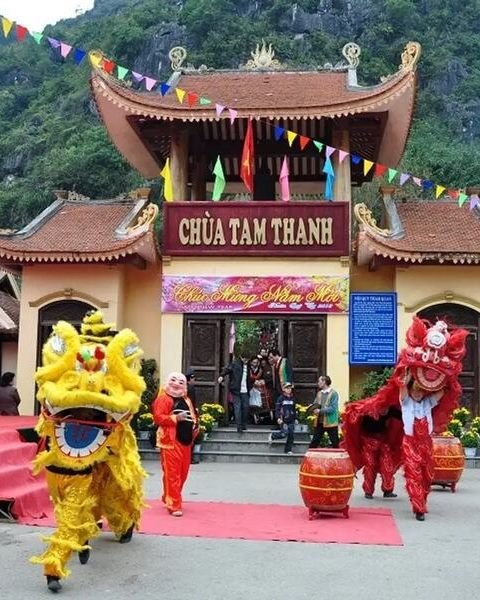
  • Lion dance at Tam Thanh Pagoda

    15th of the 1st lunar month

    Tam Thanh Pagoda Festival

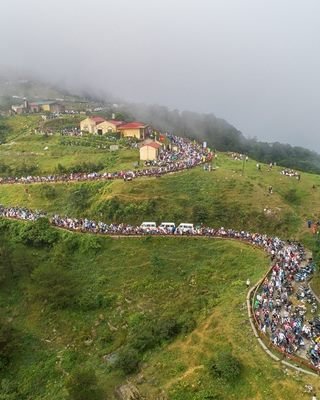
  • Crowds climbing Mẫu Sơn in the clouds

    Mid-August

    Mẫu Sơn Cloud & Folk Festival

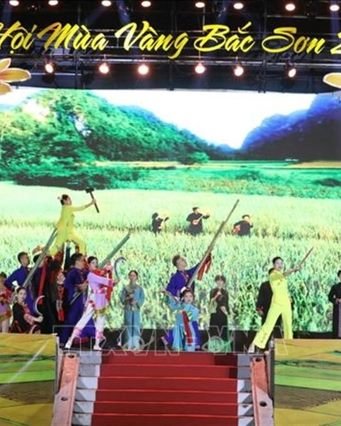
  • Performers at the Bắc Sơn Golden Rice Season Festival

    Late September

    Bắc Sơn Golden Rice Season Festival

Lunar festival dates move each year. Dates shown are for the next occurrence.